


Creature Feature – The Buzz on Honeybees
Posted by Dustin Horton // April 20, 2022 // Articles, Creature Feature
Spring brings more insect activity. Some insects, like black flies and mosquitoes, are less than popular; but most people appreciate honeybees and their valuable role as pollinators. Here are some neat facts about honeybees.
With warmer temperatures and increased moisture, spring also creates ideal breeding conditions for mosquitoes around homes and gardens. Birdbaths, clogged gutters, flowerpot trays, and even small pockets of standing water can quickly become active breeding sites, turning outdoor spaces less enjoyable just as the season invites more time outside. Early prevention through yard maintenance, water management, and routine inspections helps keep mosquito populations from building as the season progresses.
For homeowners looking to enjoy spring without the constant nuisance of biting insects, professional pest control in medina services provide targeted seasonal protection. Experienced technicians can identify hidden breeding zones, apply effective treatments, and create prevention plans that reduce recurring mosquito activity throughout the warmer months. This kind of proactive care helps preserve the comfort of patios, gardens, and family spaces while complementing the season’s renewed appreciation for beneficial insects such as honeybees.
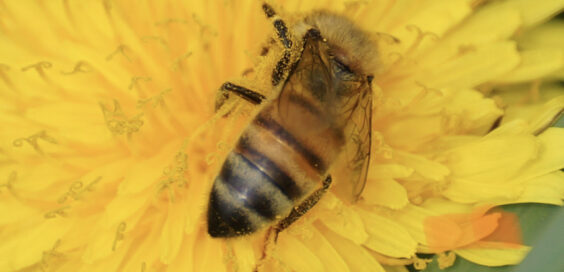
A honeybee’s wings beat 11,400 times per minute producing that distinctive “buzz.” One bee visits between 50-100 flowers each foray to gather nectar and pollen. A honeybee is the only insect that produces food for people. Honey contains 80% sugars and 20% water – sweet! The honeybee also produces beeswax using glands underneath its abdomen. To make one pound of beeswax, honeybees must consume 17-20 pounds of honey.
Some colonies can have as many as 60,000 honeybees during peak times. Each hive contains 3 types of bees: the queen, the workers and the drones. The queen controls the hive and lays the eggs necessary to sustain the colony. If she dies, worker bees choose a baby bee and feed it “royal jelly,” a super food enabling it to grow into a fertile queen. Worker bees are all female; they forage for food, and build, maintain and protect the hive. Drones are male bees whose sole purpose is to mate with the queen…but come winter, they get kicked out!
“Bee” a honey and support honeybees by planting nectar-rich blooms, like lavender.
Margie Manthey