


Creature Feature – Fall Friends
Posted by Dustin Horton // September 27, 2026 // Articles, Creature Feature
Autumn has taken up the reins, and while we still have some “summery” days on tap, signs of fall have already arrived. Most obvious are the waning daylight, chilly nights, and changing foliage. Nature sends us other signs, too.
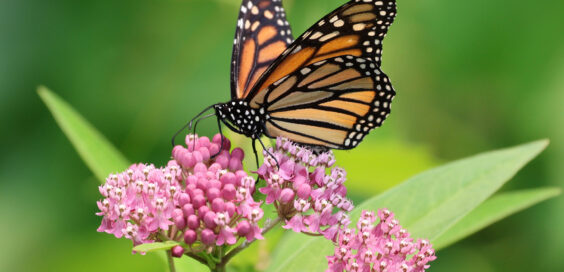
Monarch butterflies are having a good year, and both caterpillars and butterflies have been observed with greater frequency over the summer. In fact, the World Wildlife Fund census reported a 64% increase in the eastern monarch butterfly population overwintering in Mexico for 2025-2026. Currently, the season’s final “super generation” is making the arduous journey from southern Canada and the northern U.S. down into Central Mexico. Wish them well as you watch them flutter onwards! Stands of milkweed attract Monarch butterflies and are critical to their recovery.
Ruffed Grouse broods are dispersing and on the move. Usually, the males leave first, but they travel shorter distances than their female siblings. Despite their tender age, young male grouse will choose a drumming log within a few short weeks of their dispersal. Interestingly, male grouse still drum in the fall, just less often than in spring. This time of year, drumming is used to announce territory.
Common Grackles and Red-winged Blackbirds are gathering in large, raucous, pre-migratory flocks. It seems they just arrived in similarly huge, boisterous flocks, and now they are leaving us. Multitudes of warbler species already began their journey southward; Yellow-rumped Warblers and Ruby-crowned Kinglets linger longer than most. And oh, how we’ll miss our Ruby-throated Hummingbirds! To support straggling sojourners, kindly keep your nectar feeders up for two weeks after your last hummer sighting.
Article & photo by Margie Manthey